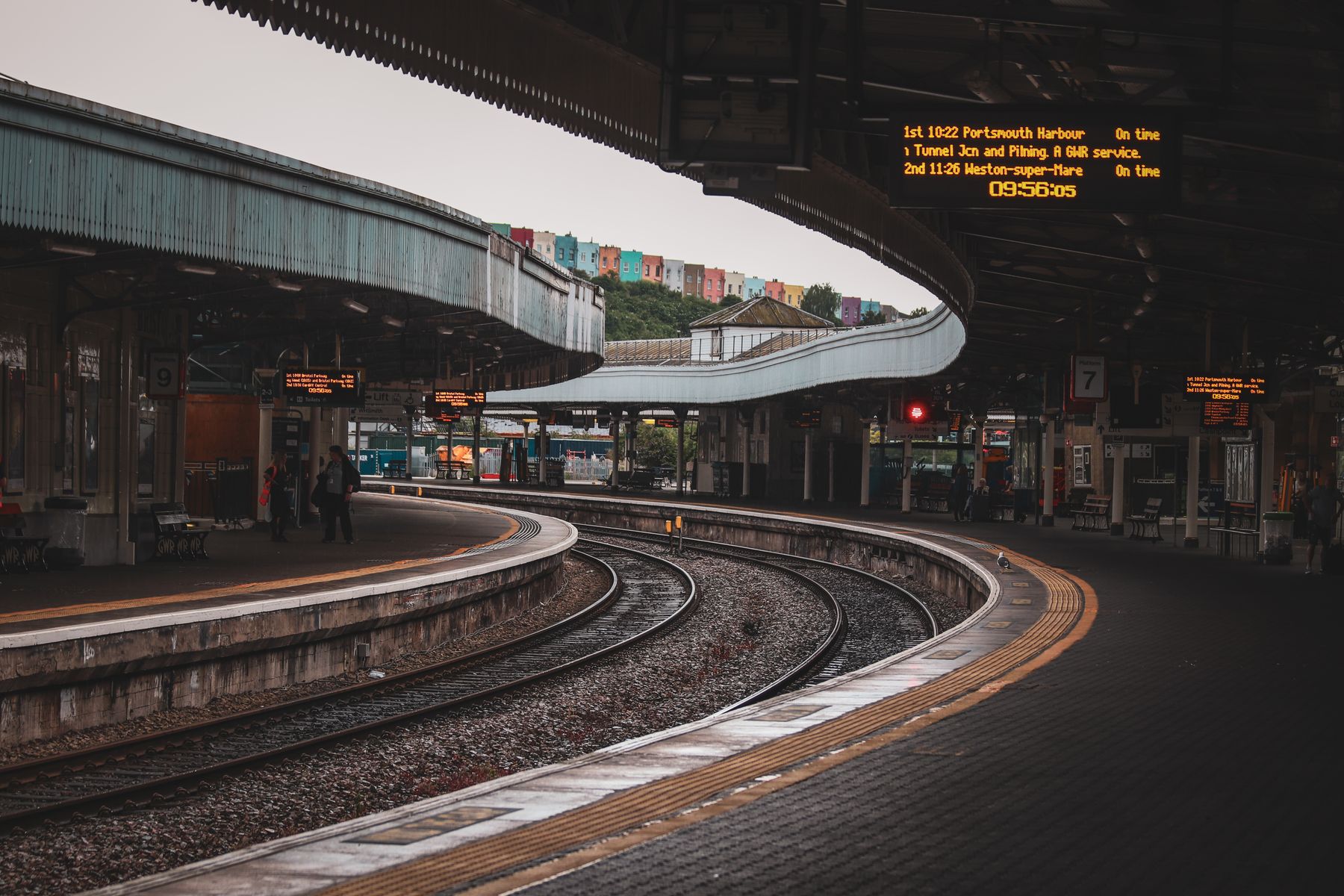
Landing at Reading station and getting your bearings
Reading station is the busiest interchange outside London, and the exits can confuse first-timers. Virgin and GWR trains from Paddington arrive in about 25 minutes. The main concourse opens onto Station Approach; the north exit leads to the newer Station Hill development with its cluster of hotels and cafes. For the town centre, follow signs to Broad Street Mall and Market Place — about eight minutes on foot via Friar Street. If you are carrying bags, the station's lifts connect all platforms, but the north side has step-free access to the street that the south side lacks.
Within the first half hour you will want two things: cash and a SIM. There is a Sainsbury's Local and a WHSmith inside the station for snacks and top-up vouchers. For a proper supermarket, walk to the Broad Street Mall or the Oracle, Reading's main shopping centre on the riverside. The Oracle also has free wi-fi and toilets, useful if your hotel check-in is not until the afternoon. Left luggage is limited, so plan to drop bags early or use your hotel's reception if you arrive before 3pm.
Buses, taxis and the cost of getting around
Reading Buses runs the town network with contactless fares capped at day rates; single journeys in the central zone cost roughly the price of a coffee. The purple 17 and claret 21 serve the university and the Royal Berkshire Hospital. For the Madejski Stadium, take the greenwave 50 or the football specials on match days. Taxis wait outside the station's south entrance; expect a metered fare of about £6–£9 to the Oracle or Reading University's Whiteknights campus, more to Shinfield or Tilehurst. Uber operates here, but at peak times the rank is often faster.
If you are heading to the suburbs, note that Reading's sprawl makes walking unrealistic. Caversham, just across the Thames via Reading Bridge, looks close on a map but is a 25-minute walk from the station. Earley and Woodley, where many business travellers stay, need a bus or cab. The park-and-ride at Mereoak on the M4 and the one at Winnersh are useful if you have a car but want to avoid town-centre parking, which runs around £2 an hour in the Oracle's multi-storey.
Money, cards and what to skip on day one
Reading is close to card-only. Buses take contactless, most cafes and pubs prefer it, and the station's ticket machines accept cards. You can still find ATMs at the Oracle, Broad Street Mall and outside the station, but withdrawing £50 in cash is more than most visitors need. Tipping is not expected in pubs; in restaurants, 10% is standard if a service charge is not already added. If you are changing money, the Post Office on Friar Street offers better rates than the airport, though central Reading has few dedicated bureaux de change.
Skip the obvious tourist traps on your first afternoon. The Oracle is fine for a meal but the riverside chain restaurants are pricey for what they are; walk instead to the Kennet and Avon Canal towpath behind the station, or to Forbury Gardens for a cheap picnic. The Reading Museum on Blagrave Street is free and has the Bayeux Tapestry replica — a solid rainy-day option. Best months to visit are May to September, when the riverside and the Reading Festival crowds peak; February is quiet and hotel rates drop.
Where to book and when
For a first trip, stay within walking distance of the station or the Oracle. The Station Hill and Friar Street area has the widest choice, from budget chains at around £55–£75 a night midweek to four-star riverside options at £110–£150. Caversham suits anyone wanting quieter evenings and a 15-minute walk over the bridge, while business travellers heading to Thames Valley Park should look at Winnersh or Earley for free parking and quick A329(M) access. Book direct if you want breakfast included; it is rarely cheaper on aggregator sites.
Book at least two weeks ahead for weeknights, and further out for the Reading Festival in late August, when the town sells out and prices double. If you are arriving by train, prioritise properties on the north side of the station — the walk with luggage is shorter and flatter. I would book a Friar Street hotel for a leisure trip and an Earley or Winnersh property if I had a car. Avoid the cheapest rooms on Oxford Road unless you know the area; it is lively but noisy at night. Details were verified in September 2026.
Questions, answered
How do I get from Reading station to the town centre?
Walk. The main exits lead onto Station Approach and Station Hill; Broad Street, Friar Street and the Oracle are a five to ten minute signposted walk. Taxis are outside the south entrance if you have heavy bags.
Is Reading expensive for a short break?
Midweek hotels often run £55–£110 a night depending on star rating. Buses and cafe meals are reasonable, and many attractions like the Reading Museum and Forbury Gardens are free, so a weekend is affordable outside festival dates.
What should I skip on my first day in Reading?
Skip the riverside chain restaurants at the Oracle and the long walk to Caversham with luggage. Head instead to Forbury Gardens, the Kennet and Avon towpath, or the free museum, and eat in the Friar Street or St Mary's Butts area.
Doing good is the business: every booking through Stay Reading funds one verified tonne of carbon removal — same room, same price, no markup.
Start your search