Riverside paths in and around Caversham
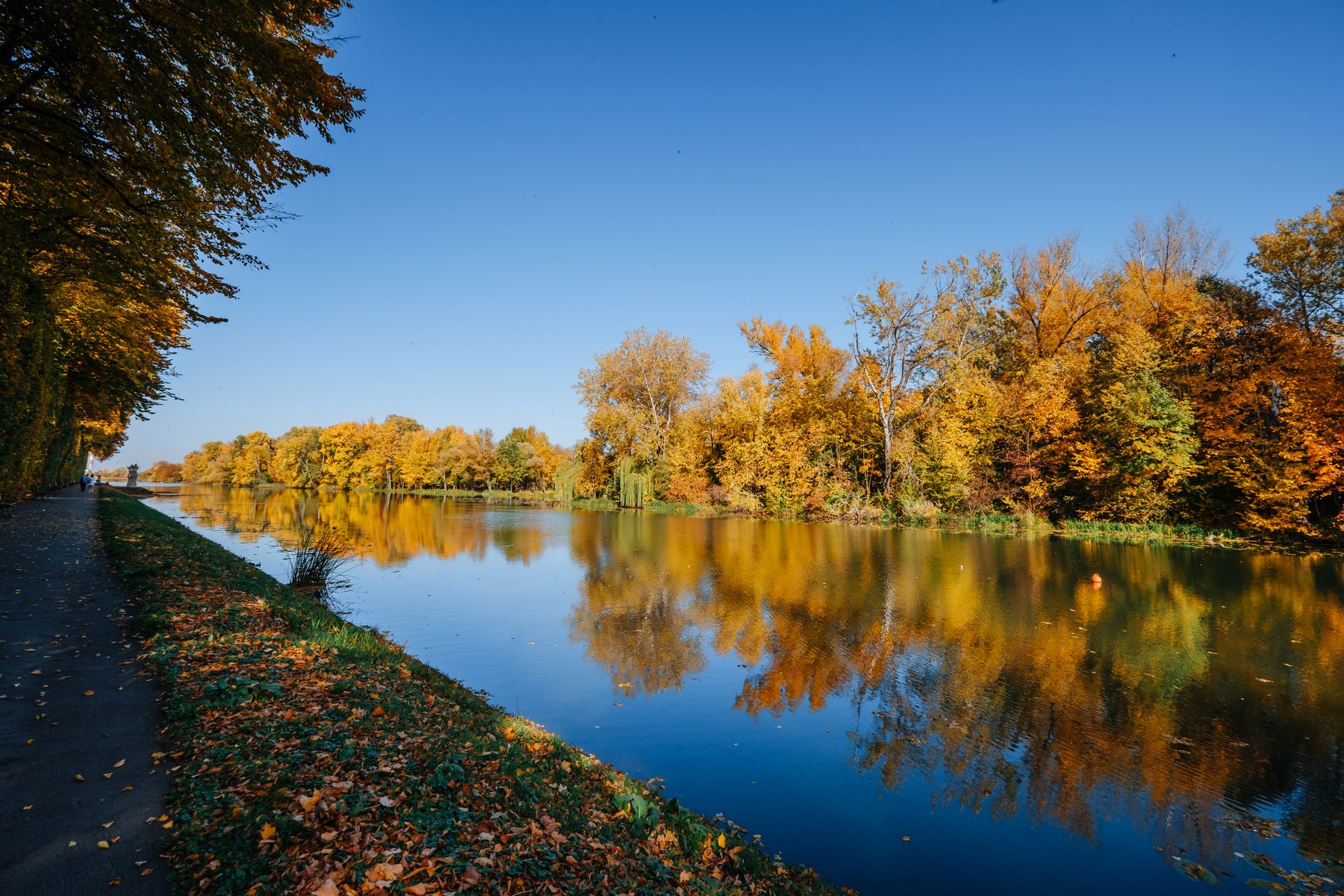
Start on the Reading side of Caversham Bridge and follow the Thames Path east through Christchurch Meadows, where the line of poplars and willows turns gold from late September and holds colour well into November. The path is flat, surfaced and buggy-friendly, and the round trip to the weir at Caversham Lock takes under an hour at an easy pace. Cross into Caversham for coffee on Church Road, then return via the lower meadow, which floods after heavy rain, so pack boots rather than trainers from October onwards.
For a longer version, continue north from Caversham Lock along the Oxfordshire bank towards Mapledurham. The path narrows and gets muddy in patches, but the reward is a quieter stretch of riverbank with field maples and ash lighting up against the water. Mapledurham House and its mill sit roughly four miles from Reading Bridge; there is no station, so either walk back the same way or arrange a lift. Allow three to four hours, and check river levels after wet weeks, as sections near the weirs can be impassable.
Woodland colour above Goring and Streatley
The Chilterns escarpment between Goring and Streatley delivers the most concentrated autumn colour within easy reach of Reading. Take a train from Reading to Goring and Streatley, roughly fifteen minutes, then climb the Ridgeway path towards Streatley Hill and on to Lough Down. Beech and yew woods here turn copper and bronze through October, and the view back over the Thames gap is the reason most people come. The climb is steep in places but short, and the whole circuit to Goring and back is about five miles.
If you want a gentler day, walk the Thames Path south from Goring instead, past the lock and towards Whitchurch. This stretch is level, quiet on weekdays and lined with alders and field maples, with several benches facing the river. October is the sweet spot: early enough for leaf, late enough for low, clear light. Sunday afternoons in peak colour get busy at Goring's tea rooms and pubs, so book a table or arrive before noon.
Sonning and the Shiplake loop
The classic Reading riverside walk heads east from Sonning to Shiplake, crossing the Thames at Sonning Bridge and returning on the Berkshire bank. It is about four miles, flat throughout, and passes the wooded islands near Shiplake Lock where sycamore and lime turn early. Buses from Reading town centre run to Sonning, or you can drive and park near the bridge, though spaces fill fast on weekend mornings in October. Walking shoes are sensible rather than essential.
The stretch between Sonning Eye and Shiplake is less trodden than Caversham and rewards a slower pace. The path runs beside the river through water meadows, and the autumn colour comes mostly from hedgerow species rather than big trees, so it peaks a week or two after the woods. Combine it with a stop in Sonning village, where the lanes and thatched cottages look their best in low autumn sun. Skip the stretch immediately west of Sonning Bridge on a Sunday, when it is thick with walkers.
Pangbourne, Basildon and the downs
Pangbourne sits about ten minutes by train from Reading and offers a different autumn palette: beech hangers and hedgerows on the chalk slopes above the village. Walk up Sulham Hill and along the lanes towards Tidmarsh, where the old watermill and willow-lined brook make a natural halfway point. The circuit is around four miles with a steady climb, and the views south over the Thames Valley are best in mid to late October when the beech turns. Parking in Pangbourne is limited, so the train is the simpler option.
For something longer, push on from Pangbourne along the Ridgeway towards Streatley, adding a few miles of high, open walking with sweeping views across the downs. The surface is chalk and flint, slippery after rain, so boots with grip are worth the luggage space. This is the quietest of the walks listed here and the one I would book a hotel for: a Friday night in Reading or Pangbourne, a full Saturday on the ridge, and a slow Sunday morning on the river before the train home.
Questions, answered
When is the best time to see autumn colour near Reading?
Mid to late October is usually peak for beech in the Chilterns above Goring and Pangbourne, while riverside willows and poplars around Caversham and Sonning turn from late September and often hold colour into November.
Are the Thames Path walks near Reading suitable for families?
The Caversham and Sonning stretches are flat, surfaced in places and easy for children and pushchairs. The Goring and Pangbourne walks involve steep climbs and can be muddy after rain, so they suit older children and sturdy footwear.
Do I need a car to reach the best autumn walks from Reading?
No. Goring, Pangbourne and Sonning are all reachable by train or bus from Reading town centre, and Caversham is a short walk or bus ride from the centre. A car helps for Mapledurham, which has no station nearby.
Doing good is the business: every booking through Stay Reading funds one verified tonne of carbon removal — same room, same price, no markup.
Start your search