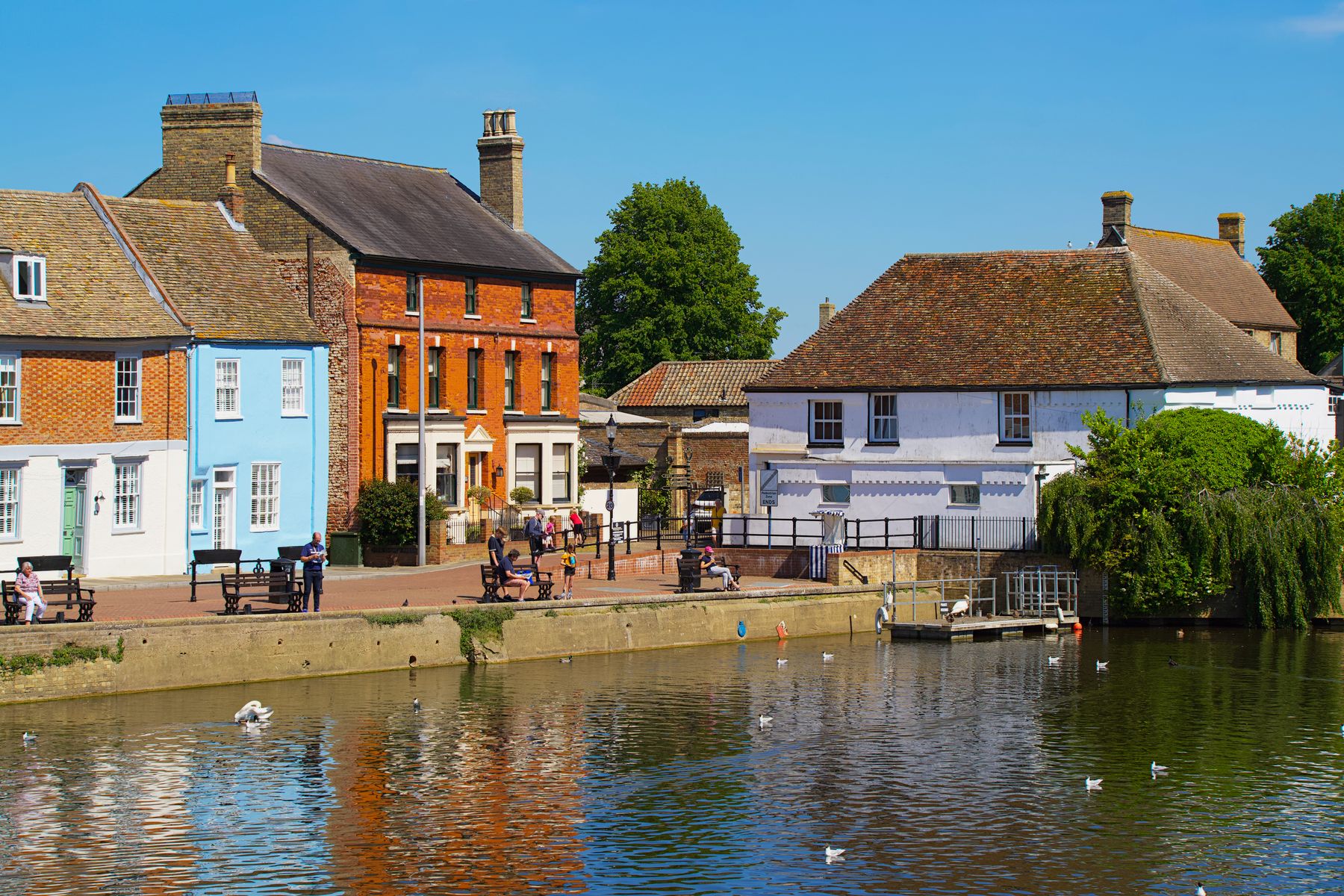
Caversham: the walkable side of the river
Caversham sits directly across Caversham Bridge from Reading town centre, and that geography is its selling point. From Caversham Precinct you can walk over the bridge and be at Reading station in roughly 25 to 30 minutes, or take a bus along Church Street in about ten. The riverside stretch by the bridge has pubs and cafes looking over the Thames, and the Thames Path runs east towards Sonning and west towards Mapledurham. It is a proper residential village with a Waitrose, a library and a Saturday market, not a tourist strip, so evenings are quiet.
Hotels here cluster around the bridge, Richmond Road and the Warren. Expect mid-range and boutique options rather than big chains, with doubles typically in the £90 to £160 range depending on season and whether you get a river view. Summer weekends and Henley Royal Regatta week in late June and early July are the pinch points — book well ahead. If you want to walk to dinner, drink a glass of wine by the water and stroll back, Caversham is the obvious choice, and it is where I would base a first Reading trip.
Tilehurst: better value, more space
Tilehurst runs west from Reading along the Oxford Road corridor and up the hill towards Purley, with Tilehurst station on the Great Western main line putting you at Reading in about four minutes and at London Paddington in under 40. The trade-off is that Tilehurst is spread out: the station, the Oxford Road shops and the villagey top of the hill near St Michael's Church are all separate pockets, and some addresses are a 20-minute walk from the platform. Check the map before you book, and favour anything within ten minutes of the station or on a frequent bus route.
The upside is space and price. Hotels and guesthouses here often undercut Caversham by £20 to £40 a night for comparable quality, and you get larger rooms and free parking, which matters if you are driving. Sulham Woods and the beech woods above Tilehurst are lovely in May and October. The downside is that you will rely on trains, buses or taxis for evenings out, and the Oxford Road is a busy arterial rather than a scenic one. It suits drivers, families and anyone staying several nights with a car.
What sits between them
Reading town centre is the shared hub, and it is worth being honest about it. The Oracle, the Riverside museums and the station are all on the Caversham side of the river, so if your trip is built around shopping, the Hexagon or direct trains to London, staying close to the centre beats both villages. The Madejski Stadium and the Reading business parks near Junction 11 of the M4 are a different matter — from Caversham that is a 20 to 25 minute drive, from Tilehurst about 15, and neither is a pleasant walk.
For day trips, Caversham wins on access to Sonning, Henley and the Chilterns via the A4155, while Tilehurst gives quicker reach to Pangbourne, Goring and the Ridgeway. If you are mixing a business day in Reading with a weekend of walking, split the stay rather than commuting between the two. Both areas are safe, ordinary residential districts; the main practical caution is that riverside paths flood after heavy winter rain, so check conditions before planning a long towpath walk between December and February.
Which I would book
For a two-night leisure trip, book Caversham. The walk over the bridge, the riverside pubs and the short hop to the station make it the least friction for a first visit, and you can reach the Thames Path without a car. Aim for late April to June or September, when the riverside is at its best and prices are below the summer peak. Ask specifically for a room away from the Reading Road if you are a light sleeper, since traffic noise carries.
Book Tilehurst if you have a car, are staying three nights or more, or are travelling with children and want space and parking. Choose a property near Tilehurst station or on the Bath Road bus corridor, and budget for taxis home in the evening. Skip both if your main reason for visiting is the town centre — a central Reading hotel will save you 40 minutes of walking a day. Given current demand, with hotel views running high against completed bookings, reserve early rather than relying on last-minute availability.
Questions, answered
Is Caversham within walking distance of Reading station?
Yes. Caversham Bridge to Reading station is roughly 25 to 30 minutes on foot via Church Street and the town centre, or about ten minutes by bus. It is a flat walk, though the bridge pavement is narrow at peak times.
Do I need a car to stay in Tilehurst?
Not strictly, since Tilehurst station has frequent trains to Reading in about four minutes. But the area is spread out, so a car or bus is useful for shops and restaurants. Parking is far easier than in Caversham.
When is the best time to book a riverside stay in Reading?
Late April to June and September offer the best balance of weather and rates. Avoid Henley Royal Regatta week in late June and early July, when demand across the Reading area spikes and riverside rooms fill quickly.
Doing good is the business: every booking through Stay Reading funds one verified tonne of carbon removal — same room, same price, no markup.
Start your search