Neighbourhood picks
Reading for Railway Enthusiasts: Stations, History and Local Routes
How to plan a railway-focused break in Reading, from the Victorian shed at Reading station to the Thames Valley branch lines and the heritage line at Cholsey.
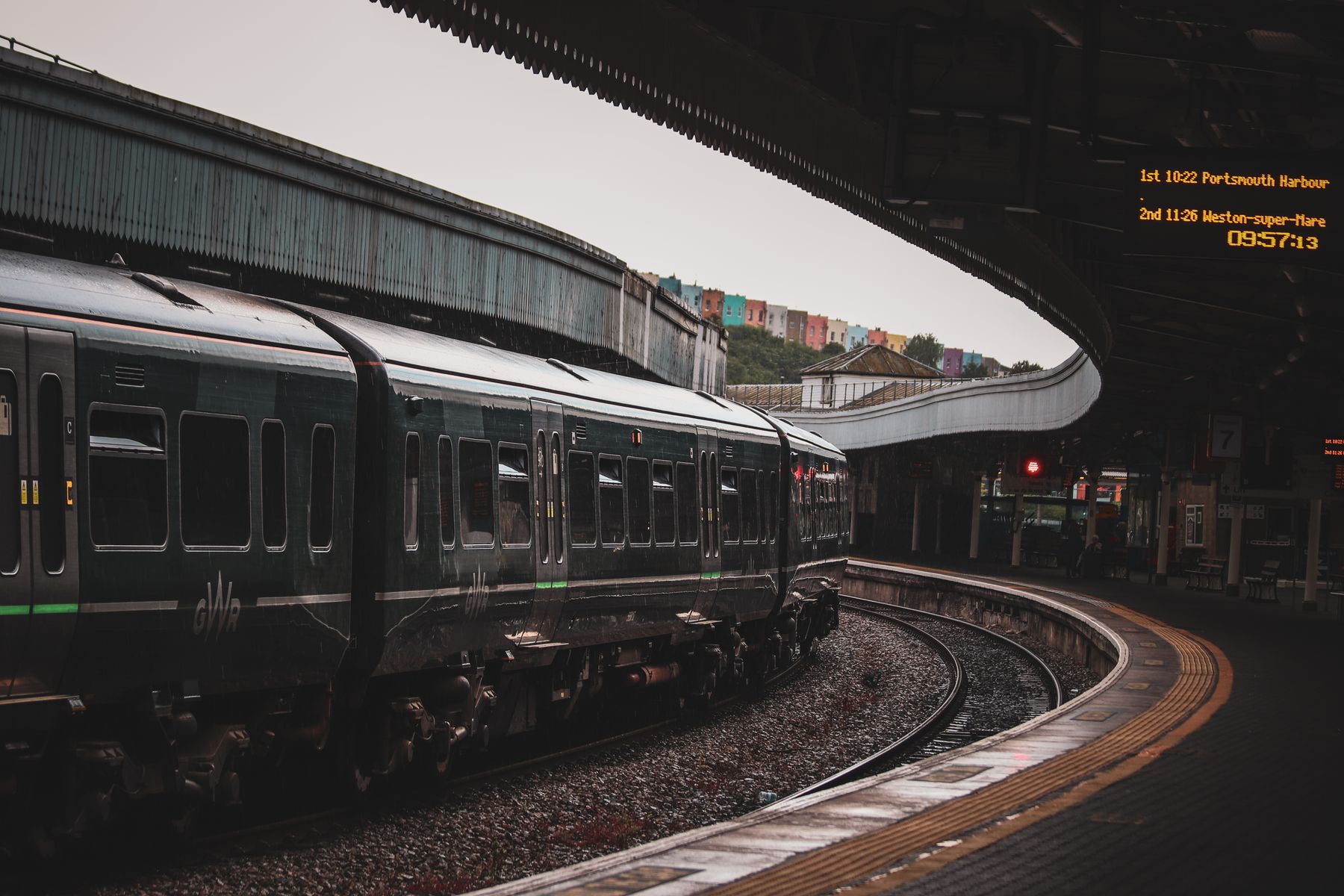
Reading station: the reason to start here
Reading station handles around 20 million passengers a year, and the 2014 rebuild turned it into one of the most legible interchanges in southern England. For enthusiasts, the pleasure is in the layout: five through platforms under the great western lift, plus the west-end bays where CrossCountry Voyagers and local GWR diesel units wait. Stand on the footbridge over the throat at the London end and you get a clean view of trains crossing between the main lines and the relief lines all day. It is free, open air and legal — no ticket needed to watch.
The original Great Western station opened in 1840, engineered under Isambard Kingdom Brunel, and the present station still sits on the same alignment. The Victorian train shed survives at the western end of platform 4 and is worth a slow look for its ironwork before the modern glass takes over. The Reading–Basingstoke and Reading–Newbury lines diverged here long before electrification arrived. Allow an hour to walk the full length of the platforms and the north entrance, which is quieter and lets you see the depot sidings beyond the fence.
If you plan to stay overnight, book near the north entrance rather than the town centre. The station is a 10-minute walk from the Oracle shopping centre but a two-minute walk from the Thames-side offices north of the tracks, and hotels on that side are quieter at night. Look at the Stretton Gardens and Caversham Road area — mid-range chains sit there, with rates typically £75–£110 midweek and higher on Reading Festival weekend in late August. Prefer a hotel with breakfast included; the station concourse coffee is fine but the queues at 07:30 are long.
Branch lines you can ride in an afternoon
The Reading–Basingstoke line is a short hop and a useful half-day loop. Trains run roughly every 15 minutes and take about 25 minutes. Get off at Basingstoke and walk to the Basingstoke Canal for a break, or ride through to Winchester for the cathedral and the water meadows — the railway cuts through chalk downland with good views on the left after Bramley. Return via the same line or, with a bit more planning, via the South Western main line from Basingstoke back towards Woking, then up to Waterloo if you are heading to London.
For a slower, prettier run, take the Reading–Newbury and Reading–Bedwyn stoppers west. The section between Theale and Newbury passes over the Kennet and Avon Canal repeatedly and the two-car Turbos are the classic Thames Valley experience. Continue to Pewsey or Westbury for the Westbury white horse and the Vale of Pewsey's hills. Trains are hourly, so plan a return before 16:00 unless you are comfortable with a long gap. I would skip the Reading–Gatwick service on a weekend — it is functional rather than scenic, and the airport stops eat the time.
Heritage, depots and a day at Didcot
Didcot Railway Centre, 20 minutes south-west by train from Reading, is the single best railway day in the area. It occupies the original Great Western engine shed and coal stage, with a working turntable, the 1932 engine shed preserved as a museum and steam running on selected dates — check the centre's own calendar before you book travel, as operating days are limited and outside my ability to confirm. Entry is charged and payable on arrival or online; trains from Reading run about every 15 minutes and the walk from Didcot Parkway is five minutes.
History buffs should also count the Kennet and Avon Canal's lift bridges between Reading and Newbury, which cross the railway in places, and the old Reading West station, still in use but little changed since the 1930s. For the depot view without trespassing, the footpath along the Kennet from Reading Bridge towards the IDR gives glimpses of the sidings at Reading West. For a heritage steam fix further afield, the Cholsey and Wallingford Railway — a preserved former GWR branch — runs from Cholsey, 25 minutes by train from Reading, on selected weekends; confirm running dates first.
Would I stay overnight for a Didcot day? Yes, but in Reading, not Didcot. Reading gives you evening options along the Kennet and a far wider choice of hotels, and the morning train south is 20 minutes. For a three-day railway break, base yourself within 10 minutes' walk of Reading station, take the Didcot trip on day one, the Newbury run on day two and keep the Basingstoke loop for a Sunday morning when the trains are empty. Best months are May and September — light is good, the crowds are thinner and the heritage lines run more often than midwinter.
Practicalities for a railway-focused stay
Trains from London Paddington to Reading take 23–28 minutes on the fast GWR services and run frequently throughout the day; from Bristol Temple Meads it is roughly an hour on the same line. Reading is a major interchange, so arriving by rail is almost always easier than driving. Parking near the station is expensive and limited — if you do drive, use the long-stay car parks on the north side and expect to pay by the hour. The town is walkable, but the roads around the station get congested at peak times.
Reading has no London-style paid ticket barrier for watching trains, so platform observation is free and straightforward. Buy a ticket if you plan to travel; you do not need one to sit on a bench at the end of a platform. Food and drink is plentiful in the station concourse and in the Oracle, a 12-minute walk south. For railway bookshops and model supplies, plan a browse in the town's independent shops rather than expecting a station-side specialist. Book a hotel on the north side of the station for quiet, or in the town centre if you want restaurants within two minutes.
Questions, answered
Can you watch trains at Reading station without a ticket?
Yes. The station is open to the public, and the footbridge and platform ends give clear views. You do not need a ticket to watch trains or sit on a platform bench, though platform staff may ask you to move on during very busy periods. Buy a ticket if you intend to travel.
What is the best day trip from Reading for railway fans?
Didcot Railway Centre, about 20 minutes by train, is the strongest option — the original Great Western engine shed, a working turntable and steam on selected dates. Check the centre's calendar before travelling, as running days are limited. Newbury and Basingstoke make easier, more frequent half-day alternatives.
Where should I stay in Reading for a railway break?
Book near the north entrance of Reading station, in the Caversham Road and Stretton Gardens area. It is a two-minute walk to the platforms, quieter at night than the town centre and typically £75–£110 midweek for mid-range chains, higher on Reading Festival weekend in late August.
Doing good is the business: every booking through Stay Reading funds one verified tonne of carbon removal — same room, same price, no markup.
Start your search