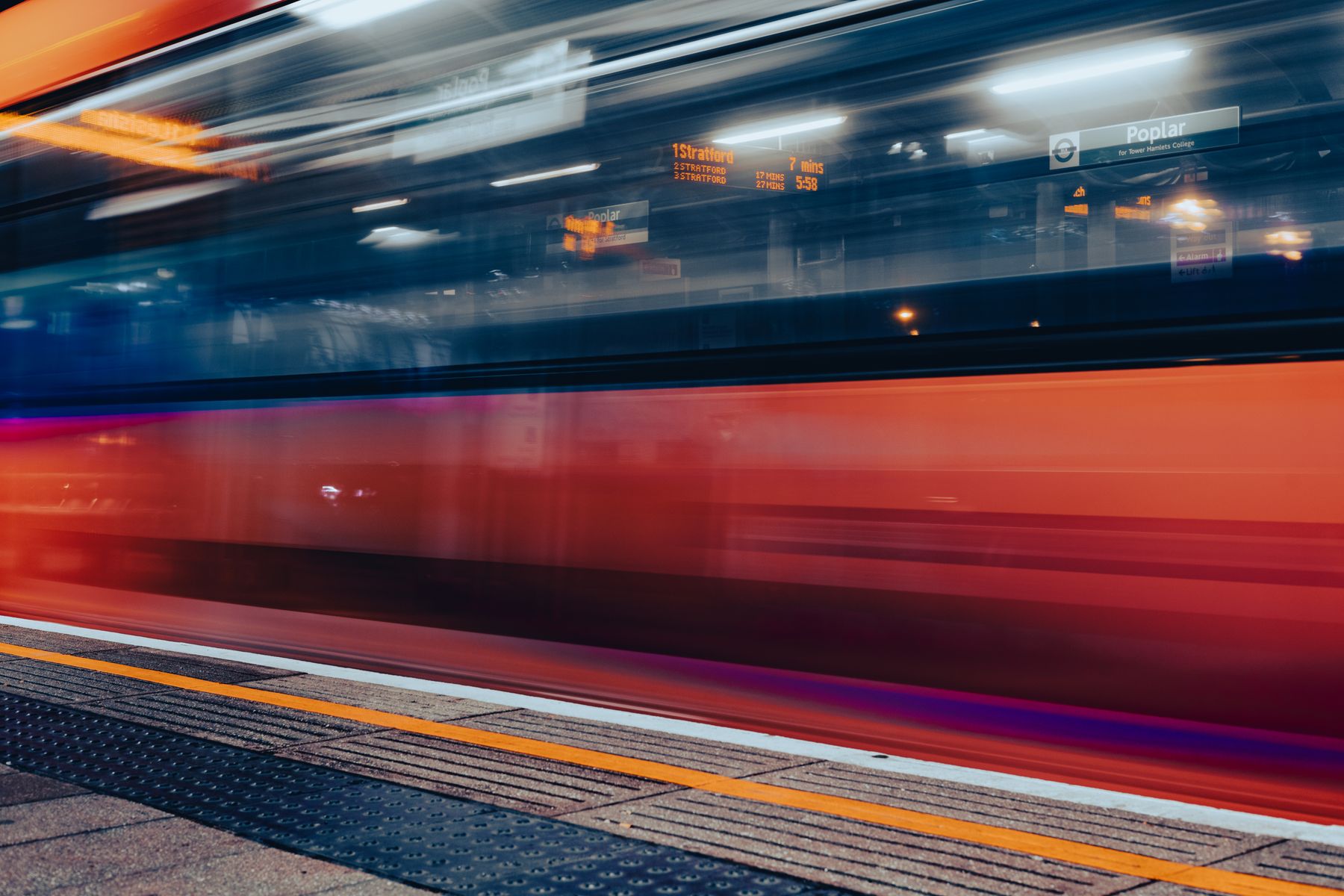
Rail: the default for most trips into central London
Reading station sits on Station Road, a ten-minute walk from the Oracle shopping centre and the Broad Street Mall. Great Western Railway runs fast services to London Paddington, with the quickest departures covering the 36 miles in about 23 minutes. Off-peak return fares typically sit in the £25-£40 bracket; advance singles can drop below £15 if booked a week or more ahead. Trains leave roughly every ten to fifteen minutes through the working day. Paddington puts you on the Bakerloo, Circle, District and Elizabeth lines, so Oxford Street, the West End and the City are all within thirty minutes of arrival.
For a leisure visit, I would book the train every time if the destination is Zone 1. The alternative is the Elizabeth line from Reading to Tottenham Court Road, Bond Street or Farringdon, which takes around 50 minutes but avoids the change at Paddington and runs until roughly midnight. South Western Railway also serves Reading on the Waterloo line via Ascot and Richmond, useful if you are heading for the South Bank or Wimbledon. Weekend engineering work on the Great Western main line is common, so check before you commit to a fixed Advance ticket.
Coach: cheapest, slowest, best for west London drop-offs
National Express and Megabus both run from Reading's Mereoak Park and Ride, just off the M4 at junction 11, and from the stop near Reading station. Victoria Coach Station is the usual terminus, with a journey time of one hour thirty to two hours fifteen depending on the M4 and the Hammersmith flyover. Advance fares often fall between £8 and £20 return. The trade-off is that Mereoak needs a local bus or a taxi from the town centre, adding twenty minutes and a few pounds each way, and Victoria is a fifteen-minute walk from the nearest Tube at Victoria station itself.
Coaches make sense if you are travelling alone on a tight budget, carrying a lot of luggage, or heading to west London addresses like Shepherd's Bush, Hammersmith or Heathrow. For everyone else the time penalty and the awkward terminals erode the saving. I would skip the coach on a Friday afternoon or a Sunday evening, when the M4 westbound around junction 10 can add forty minutes. If you do book, choose a service arriving before 10am or after 8pm to avoid the worst of the traffic.
Driving: flexible but rarely cheaper once parking is counted
The M4 from Reading to the A4 and Cromwell Road is about 40 miles, normally 55 to 75 minutes to the West End, longer on weekday mornings. Fuel for a small petrol car runs £6-£9 each way at current pump prices. The problem is parking: a day in a Q-Park or NCP in Westminster or Soho commonly costs £30-£50, and the central London congestion charge applies between 7am and 6pm on weekdays and 12pm and 6pm at weekends. The Ultra Low Emission Zone covers the same area and a non-compliant car adds a daily charge on top. Total outlay for one person frequently exceeds the train.
Driving pays off with three or four passengers, or when your destination is outside the centre — Wembley, the Excel Centre, or a hotel near Heathrow. A practical compromise is to park at a Tube station on the outer edge and ride in. Hillingdon, Ickenham and Ruislip on the Piccadilly and Metropolitan lines offer station car parks for a few pounds a day, and the drive from Reading is around 35 minutes outside rush hour. Avoid driving into the centre on a weekday morning before 9am and on Saturday afternoons during football fixtures at Wembley or Twickenham.
Where to stay, and how the choice shapes your onward trip
If you are basing yourself in Reading, the most convenient hotels cluster around the station and the Oracle: the Novotel on Friar Street, the Malmaison on Station Road, the Premier Inn on Caversham Road and the Ibis on Reading Bridge. Expect £70-£110 midweek and £95-£140 on a Saturday. Staying here and day-tripping to London works well if you want cheaper rooms and a quieter evening, and the 23-minute train makes the commute painless. Book a hotel within a fifteen-minute walk of the station and you avoid taxis altogether.
If the purpose of the trip is London itself, staying in Reading only makes sense for one or two nights. For longer stays, base in London zones 2 or 3 — Clapham, Stratford, Greenwich — and treat Reading as a day excursion. For a Reading-centred break, the best months are May, June and September, when the riverside at Caversham and the Thames Path are at their best without summer crowds. Skip the first weekend of August if you dislike crowds; the Reading Festival brings road closures and hotel rates roughly double the usual midweek level.
Questions, answered
How long does the train from Reading to London take?
Fast Great Western Railway services reach Paddington in about 23 minutes. The Elizabeth line takes around 50 minutes to Bond Street or Farringdon. Allow ten minutes at Reading station for ticket gates and platforms.
Is the coach from Reading cheaper than the train?
Yes, usually. Advance coach fares are often £8-£20 return against £25-£40 for an off-peak train. But coaches leave from Mereoak Park and Ride, needing a local bus or taxi from central Reading.
Should I drive from Reading to central London?
Only with three or more passengers, or if your destination is outside the centre. Parking in Westminster costs £30-£50 daily, and the congestion charge and ULEZ apply on top. Try parking at Hillingdon or Ickenham and taking the Tube.
Doing good is the business: every booking through Stay Reading funds one verified tonne of carbon removal — same room, same price, no markup.
Start your search