Neighbourhood picks
Southcote or Henley-on-Thames? Choosing Your Base for a Reading Trip
One is a quiet Reading suburb within walking distance of the Kennet, the other a Thames-side town 36 minutes away by train — here is how to decide between them.
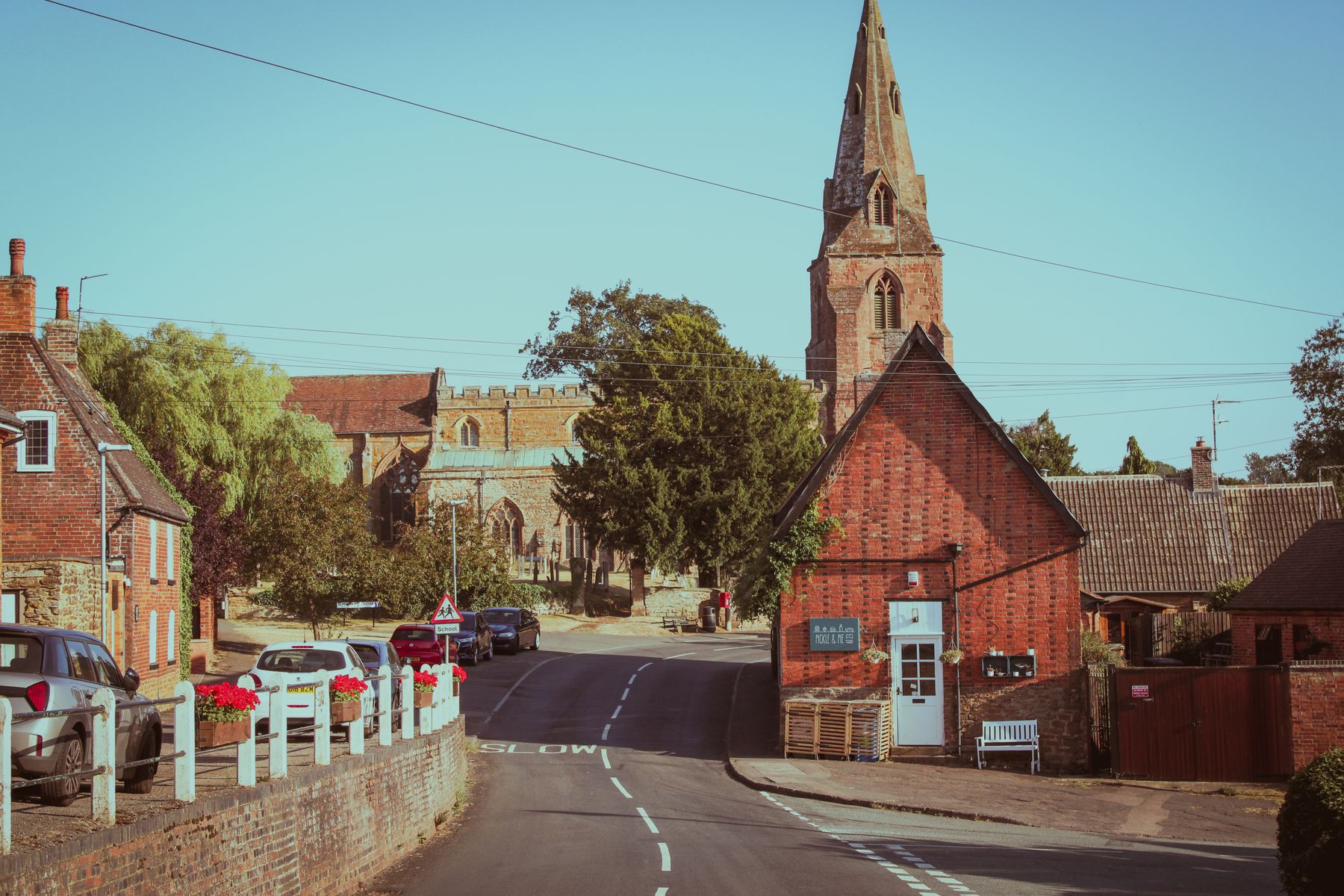
Two Very Different Bases
Southcote sits two miles south-west of Reading town centre, a 1930s suburb of semi-detached houses between the Bath Road and the Kennet and Avon Canal. From Reading West station it is roughly a 20-minute walk; buses along the Bath Road run every few minutes into the centre. Hotel stock is limited and practical rather than picturesque, with room rates typically lower than central Reading — budget roughly £65–95 midweek and £80–110 at weekends, though always check current availability. It suits drivers and anyone who wants a car park and a straightforward bed near the M4's junction 11.
Henley-on-Thames is a different proposition entirely: a Georgian market town on the Oxfordshire bank of the Thames, 36 minutes from Reading by rail via Twyford, and about 25 minutes by car up the A4155. Rooms cluster around the market square and along Hart Street and Bell Street, with rates of roughly £110–180 midweek and £150–220 on summer weekends. You are paying for scenery, the riverfront and the Regatta atmosphere rather than convenience to Reading's business parks.
Getting Around and What You'd Actually Do
Southcote's appeal is functional. Probe's record of the Kennet — the remains of a Victorian waterworks — is a short walk away, the canal towpath gives a flat cycle route towards Thatcham, and Reading's Oracle shopping centre is a 10-minute bus ride. For a traveller with meetings in Reading, the Madejski Stadium or the Thames Valley Park business estate, it keeps costs down and removes parking anxiety. What it lacks is atmosphere: evenings are quiet, dining is takeaway-led, and you will be travelling for anything resembling a night out.
Henley rewards the leisure traveller. The River and Rowing Museum at Mill Meadows is genuinely good, the Thames Path runs both ways from the bridge, and a walk up to the Chilterns escarpment at nearby Bix Bottom gives you a proper half-day. Best months are May to September, when the riverfront earns its price; July's Regatta week fills every room, so book far ahead or avoid it. Outside summer, Henley is handsome but sleepy, and many restaurants close early on Sundays and Mondays.
Comparing Cost, Comfort and Convenience
If your trip mixes Reading business with a little leisure, the arithmetic favours splitting your stay. Two nights in Southcote and one in Henley costs less than three nights in Henley, and the train from Reading to Henley via Twyford is short enough for a day trip. Note that the branch line from Twyford is a shuttle, so late-evening returns to Reading require planning. Drivers should know that Henley's centre has limited parking and the riverside car parks on Mill Meadows fill quickly on sunny weekends from spring onwards.
Hotel quality is comparable in both, but the character differs: Henley properties tend toward period buildings with river views and smaller rooms, while Southcote's offerings are newer, with larger rooms and reliable parking. For families, Henley's riverside meadows and the museum beat Southcote's residential streets; for a solo traveller on a budget, Southcote wins comfortably. Check-in times and breakfast inclusion vary widely in both places, so compare the detail rather than the headline rate before you commit. One practical tip: Southcote's proximity to the A33 and M4 junction 11 makes it far easier if you are arriving by car from the west.
Which I Would Book
For a Reading-centred trip of two or three nights — meetings, a stadium visit, or simply a cheap, well-connected base for exploring the Kennet valley — I would book Southcote without hesitation. It is honest value, parking is rarely a problem, and central Reading is a short bus ride. The trade-off is that it will not make a holiday album; you are choosing convenience, and it delivers that reliably, especially midweek when rates soften.
For a romantic weekend, a walking break on the Thames Path, or anything involving the Henley Royal Regatta, book Henley-on-Thames and accept the higher rate. Aim for May, June or September to dodge both Regatta crowds and winter closures. The sensible compromise — and what I would recommend to most first-time visitors — is two nights in Reading with a day trip to Henley by train, keeping the hotel bill down while still seeing the river at its best.
Questions, answered
How do you get from Reading to Henley-on-Thames?
Trains run from Reading to Twyford, where you change for the Henley branch line; the whole journey takes around 36 minutes. By car, the A4 and A4155 take roughly 25 minutes outside rush hour. Bus services also connect the two, though less frequently at weekends.
Is Southcote within walking distance of Reading town centre?
It is about two miles, or a 35 to 40-minute walk along the Bath Road. Most visitors take the frequent buses instead, which cover the distance in around 10 to 15 minutes. Reading West station is roughly a 20-minute walk from the Southcote area.
When is the best time to visit Henley-on-Thames?
May, June and September offer the best balance of weather and availability. July brings the Royal Regatta, when rooms sell out months ahead and prices peak. Winter is quieter and cheaper, but several riverside restaurants close early on Sundays and Mondays.
Doing good is the business: every booking through Stay Reading funds one verified tonne of carbon removal — same room, same price, no markup.
Start your search