Neighbourhood picks
Walking the Thames from Tilehurst to Pangbourne: A Reading Side-Trip on Foot
A plain guide to the riverside path west of Reading, with train stops, distances, lunch options and the stretches worth skipping.
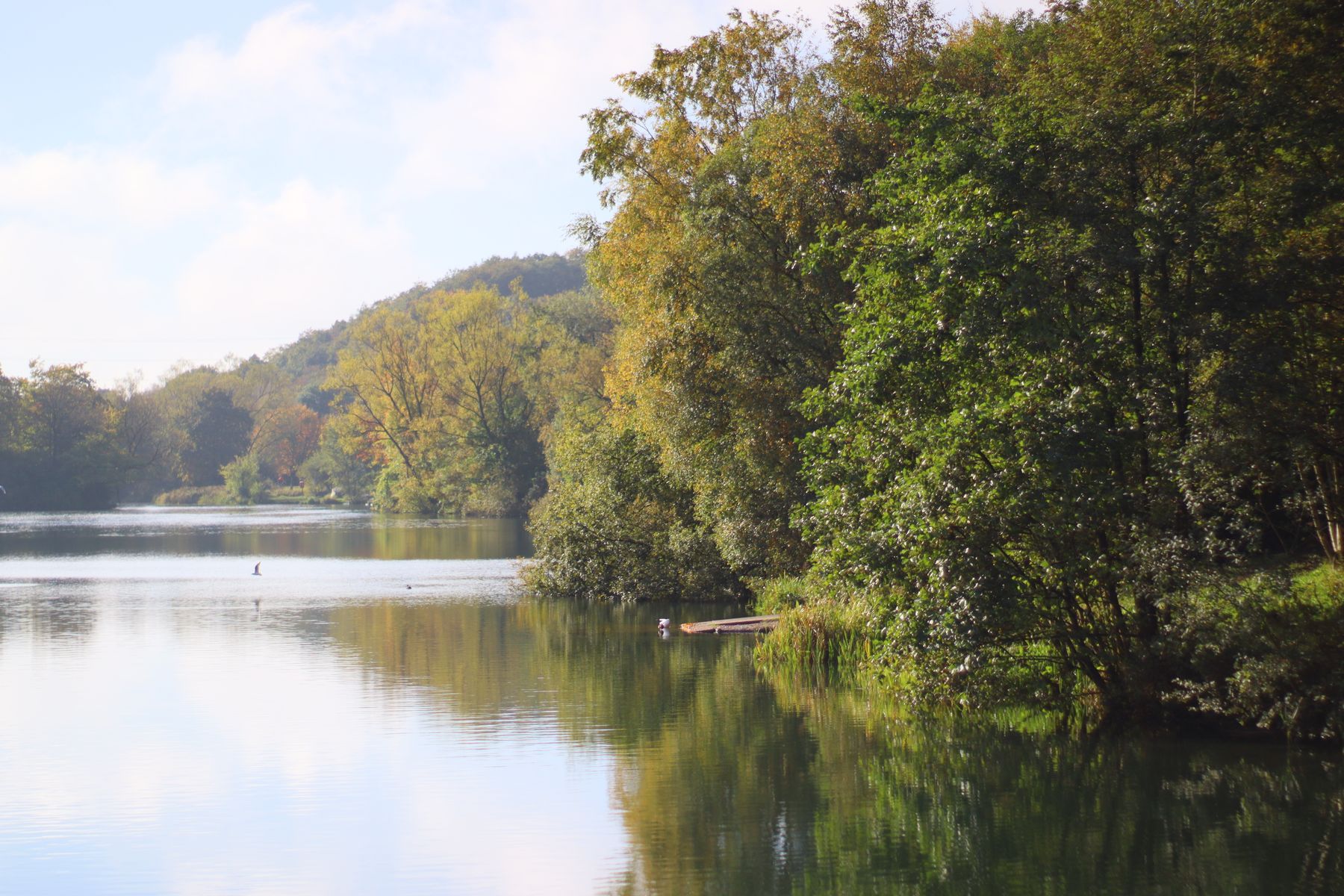
Getting to the start at Tilehurst
Tilehurst sits three miles west of Reading town centre and the station of the same name is on the Great Western line towards Didcot, a seven-minute hop from Reading. From the station the river is roughly a mile north through residential streets; the simplest line is down Tilehurst Road towards the Roebuck area and then to the Thames Path at Purley. If you are staying in a Reading hotel near the station, buy a return to Tilehurst and a single back from Pangbourne so you never have to double back. Trains run frequently on weekdays and less so on Sundays.
The walk proper begins where the path meets the river near Purley-on-Thames. This first section is the least dramatic of the day, passing the wide green at Purley and a cluster of riverside houses before the bank turns more rural. Allow an hour to reach Pangbourne at an easy pace, ninety minutes with stops. The surface is mostly gravel and grass, flat throughout, and after rain the western stretches hold water, so waterproof shoes earn their place between November and March.
Purley, Mapledurham and the quiet middle
Past Purley the path crosses Mapledurham Meadow, a broad floodplain where the river bends and the chalk hills of Oxfordshire come into view. The Mapledurham estate, with its manor house and watermill, sits above the meadow; the house opens on limited afternoons in summer and is best checked ahead rather than assumed. This is the emptiest part of the route and the best place to sit. Birdlife is good here — herons, grebes and, in spring, nesting swallows along the bank.
Be aware that the meadow floods most winters, and the official Thames Path diverts inland along the lane past Mapledurham when the river is high. Signage is patchy at the northern gate, so carry a paper map or an offline map on your phone. If the water is over the path at the meadow entrance, do not push on; take the lane instead. This section is where I would spend the most time, because beyond it the walk becomes more populated.
Approaching Pangbourne and the return
The final stretch runs below Whitchurch-on-Thames on the Oxfordshire bank, past the toll bridge and into Pangbourne itself, where the Pang joins the Thames. Pangbourne station is a five-minute walk from the bridge and trains back to Reading take about twelve minutes. The village has a handful of cafés, pubs and a good independent bookshop, but it is small; on a Sunday afternoon tables fill quickly and booking ahead is sensible.
The alternative return is to keep walking to Goring, another five miles, which suits strong walkers with a full day. Otherwise Pangbourne is the natural end. Skip the road section between Tilehurst station and the river if you are short of time — take a taxi from the station rank or start at Purley instead. The walk is best in May and June, when the meadows are dry and the hedgerows are out; September is nearly as good and quieter.
Where to base yourself in Reading
Reading makes a sensible base for this walk and for the wider Thames Path. Hotels cluster around the station and along the IDR, with a second group near the Oracle and the Kennet and Avon canal. Anything within a ten-minute walk of Reading station puts you on the Tilehurst line without a bus, and the same position gives you fast trains to London Paddington, Oxford and Bristol. Expect to pay less on a Sunday night and more during Reading Festival in late August, when the town fills.
For a walking weekend I would book near the station rather than in the suburbs: you get the early train to Tilehurst, a shower at the end of the day, and dinner in the town centre without a taxi. The Forbury Gardens area is pleasant and central. Caversham, across the river, is quieter but adds a bridge crossing to every journey. Book two nights if you plan the Goring extension; one is enough for Tilehurst to Pangbourne alone.
Hotels in Reading
Questions, answered
How long does the Tilehurst to Pangbourne walk take?
About two to two and a half hours at an easy pace, including short stops. Add an hour if you linger at Mapledurham Meadow. The route is flat and around five miles, mostly on gravel and grass.
Is the path suitable for children?
Yes, with care near the water. The surface is flat and there are no stiles on the main route, but the river runs close to the path in places and the meadow floods in winter. Children who walk five miles comfortably will manage it.
What should I do if Mapledurham Meadow is flooded?
Follow the inland lane past Mapledurham instead. The diversion is signposted inconsistently, so carry an offline map. Do not attempt to cross standing water on the meadow path, even if others are doing so.
Can I do the walk in trainers?
In dry summer weather, yes. From October to April the grass sections stay wet and the meadow can be muddy, so waterproof shoes or boots are better. The gravel stretches drain well.
Where can I eat in Pangbourne?
There are cafés and pubs within five minutes of the bridge, plus a small supermarket. Sunday lunch is busy, so book a table. The village is compact and most options sit on or just off the high street.
How do I get back to Reading from Pangbourne?
Trains run to Reading in about twelve minutes, with roughly two an hour on weekdays and fewer on Sundays. Pangbourne station is a five-minute walk from the toll bridge. A return ticket from Reading covers the whole trip.
What is the best month for this walk?
May and June, when the meadows are dry and the hedgerows are in leaf. September is nearly as good and less crowded. Avoid January and February unless you are prepared for flooding and diversions.
Should I stay in Reading or Pangbourne for this walk?
Reading. It has far more hotels, better train links and more places to eat, and the Tilehurst line makes the start easy. Pangbourne has very little accommodation and you would still travel in for the walk.
Doing good is the business: every booking through Stay Reading funds one verified tonne of carbon removal — same room, same price, no markup.
Start your search